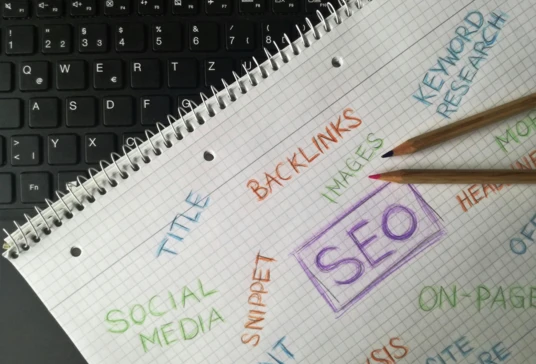






SEO in 2025: How It Works and What Mistakes to Avoid

In a world where Google is the first place we turn to for information, inspiration, and products, being visible in search results is absolutely essential. Whether you run an e-commerce store, a blog, or a service-based business—SEO (Search Engine Optimization) can be the deciding factor in your online success.


But what exactly is SEO, how does it work, and how can you do it right? Here’s a practical introduction.


What is SEO?


SEO—short for Search Engine Optimization—is a set of strategies aimed at improving your website’s visibility in organic search results. In simple terms, it’s about making sure your site appears as high as possible in Google when someone searches for something related to your business.

SEO is typically divided into three key areas:

  • Technical SEO – Ensuring your website is fast, mobile-friendly, well-structured, and free of technical issues.

  • On-page SEO – Optimizing your content, headers, metadata, and keywords to match user intent.

  • Off-page SEO – Building your site’s authority through backlinks and external mentions (link building).


How Does SEO Work? – In a Nutshell


Search engines like Google use bots (also called crawlers) to scan and index websites. When someone types in a search query, Google’s algorithm analyzes billions of pages and displays the most relevant, trustworthy results.

SEO is the art of understanding what your audience is looking for, how search algorithms work, and how to align your website with both.


Common SEO Mistakes to Avoid


Unfortunately, even businesses with large marketing budgets often fall into the same traps. Here are some of the most common SEO missteps:

  1. Poor mobile optimization
    Google prioritizes mobile-friendly websites. If your site doesn’t perform well on smartphones, your rankings will suffer.

  2. Using vague or overly broad keywords
    Targeting highly competitive terms like “shoes” instead of more specific ones like “women’s running shoes” can make your site invisible among the competition.

  3. Duplicate content
    Google penalizes websites with repeated content. Unique, original content is a must.

  4. Ignoring title tags and meta descriptions
    These are your first impression in search results—make sure they’re compelling and keyword-optimized.

  5. Poor internal linking
    Smart internal links help Google understand your site structure and improve user experience.

  6. Slow page load times
    Site speed matters. If your site loads slowly, users bounce—and your rankings drop.


How to Do SEO Right: Practical Tips to Get Started

  • Do keyword research
    Use tools like Google Keyword Planner, Ahrefs, or Ubersuggest to discover what your audience is searching for.

  • Create valuable content
    Answer real user questions. Educate, inspire, and engage—don’t just sell.

  • Structure your site properly
    Use clear headers (H1-H3), logical navigation, breadcrumbs, and an up-to-date sitemap.

  • Optimize for speed
    Compress images, use modern formats like WebP, and leverage caching tools.

  • Build backlinks
    Write guest posts, participate in relevant forums, and collaborate with influencers.

  • Monitor your performance
    Use Google Search Console and Google Analytics to track what’s working and what needs improvement.


SEO in 2025 – What’s Changing?


Google’s algorithms are constantly evolving. In recent years, the following trends have become increasingly important:

  • Content quality (EEAT) – Google prioritizes content that demonstrates Expertise, Experience, Authoritativeness, and Trustworthiness.

  • User experience (UX) – A smooth, intuitive user experience now plays a bigger role in search rankings.

  • Voice and conversational search – Optimize content for natural, question-based phrases.

  • AI and machine learning – Google now better understands user intent, not just keywords.

That’s why SEO isn’t a one-time project—it’s an ongoing process of aligning your website with shifting technologies and evolving user expectations.


Final Thoughts: SEO Is an Investment, Not an Expense


Great SEO doesn’t just boost your Google ranking—it drives more traffic, builds trust, increases conversions, and helps your brand grow over time. Unlike paid ads, the benefits of SEO often continue long after the work is done, making it one of the most cost-effective digital marketing strategies.

If you want to be found where your audience is searching—SEO is essential. Don’t leave it to chance. Invest in knowledge, strategy, and consistent optimization—and watch Google reward your efforts.